

RETRO-TECH Review of the WAVETEK 235 DMM and Its Features

The WAVETEK 235 digital multimeter (DMM) remains a notable instrument in the history of electronic measurement tools. Known for its reliability and precision during its time, this device still attracts attention from electronics enthusiasts, technicians, and collectors. This review revisits the WAVETEK 235, exploring its design, features, performance, and practical applications to understand why it earned a respected place among multimeters.

Design and Build Quality
The WAVETEK 235 (MFR 1999) features a sturdy, compact design typical of mid-1990s test equipment. Its casing is made from durable plastic with a matte finish that resists fingerprints and minor scratches. The layout is user-friendly, with a clear digital display and well-labeled rotary switches and buttons.
Size and Weight: The unit is portable enough for fieldwork but solid enough to sit comfortably on a workbench.
Display: It uses a 3.5-digit LED display, which was standard for its era, providing clear readings even under various lighting conditions.
Controls: The rotary switch offers multiple measurement modes, including voltage, current, and resistance, with tactile feedback for precise selection.
This build quality ensures the WAVETEK 235 can withstand regular use without compromising accuracy or durability.
Measurement Capabilities

The WAVETEK 235 covers essential measurement functions needed for most electronic troubleshooting and testing tasks:
DC Voltage: Ranges up to 600 volts with reasonable accuracy for general electronics work.
AC Voltage: Measures up to 750 volts (NON-RMS), suitable for household and industrial applications.
DC Current: Capable of measuring currents up to 10 amps, useful for circuit diagnostics.
Resistance: Measures resistance from a few ohms to several megaohms, allowing component testing and continuity checks.
The meter uses a combination of auto and manual range selection, which requires users to choose the appropriate scale before measurement (capacitance). While this may seem less convenient compared to modern auto-ranging meters, it offers more control and can prevent range-hopping errors.
Accuracy and Performance
For its time, the WAVETEK 235 provided solid accuracy levels:
Voltage Accuracy: Typically within ±(0.5% + 2 digits), which is sufficient for most repair and maintenance tasks.
Current Accuracy: Similar accuracy margins apply, making it reliable for current measurements in low to moderate ranges.
Resistance Accuracy: Slightly less precise but still dependable for identifying faulty components or verifying circuit continuity.
Temperature via a Thermal Probe Connection in C or F
A metal Shielding plate was integrated into the PCB Design thus preventing EMF and skewed readings.
The meter’s response time wasn't the quickest, but readings do stabilize rapidly, which helps technicians work efficiently. Its input impedance is high enough to avoid loading circuits during voltage measurements, preserving signal integrity.
Practical Applications
The WAVETEK 235 has been widely used in various settings:
Electronics Repair: Ideal for diagnosing faults in consumer electronics, appliances, and audio equipment.
Educational Use: Its straightforward operation makes it a good teaching tool for students learning basic electronics.
Field Service: Portable and rugged enough for on-site troubleshooting of electrical systems.
Hobbyist Projects: Popular among DIY electronics enthusiasts for building and testing circuits.
Its versatility and reliability have made it a trusted tool for decades.
User Experience and Handling

Users often praise the WAVETEK 235 for its intuitive interface. The rotary switch is easy to turn and clearly marked, reducing the chance of selecting the wrong measurement mode. The LCD display although not the brightest is clear and visible from different angles, which is helpful in dimly lit environments.
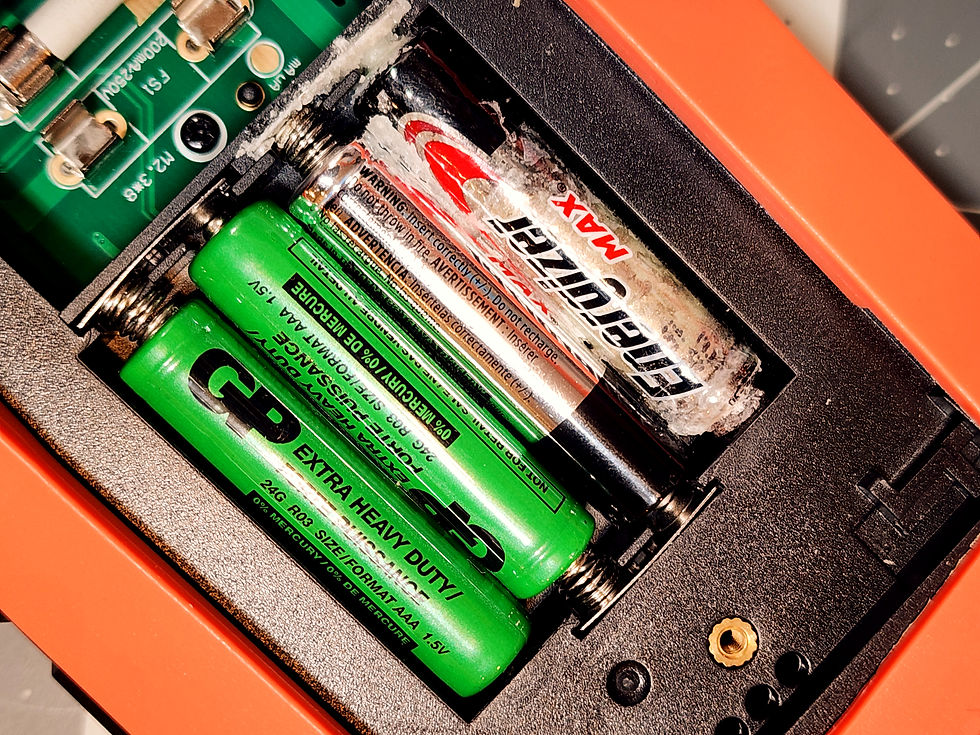
Battery life is reasonable, with the device powered by standard 9V battery. The meter includes a low battery indicator to alert users before power runs out, preventing unexpected shutdowns during critical measurements.
Limitations Compared to Modern Multimeters
The WAVETEK 235 was advanced for its time, it boasted advanced features that were not common in digital multimeters back in the 90's:

Auto-Ranging: Automatic measurement ranges (except capacitance).
Limited Display Digits: The 3.5-digit display offers less resolution than modern 4 or 5-digit meters.
Capacitance Slot 4nF-4uF ONLY. Regular capacitance mode (non-auto ranging) up to a whopping 40mF!
WAVETEK PC Utility Software via RS232 with Data Logging: Windows based software for collective measurement of data.
Safety Features: It offered advanced protections like audible alarm indicators & CAT safety ratings found only in newer models.
Even today, some 30 years later, the WAVETEK 235 remains a solid choice for basic measurement needs.
Maintenance and Calibration

Maintaining the WAVETEK 235 involves routine battery replacement and occasional calibration to ensure accuracy. Calibration should be performed using a known reference standard, such as a precision voltage source or resistance decade box.
The device’s internal components are accessible for servicing, which is a plus for technicians who prefer to maintain their tools themselves. Replacement parts, however, may be harder to find due to the meter’s age. The unit also shipped with a spare 500mA Fuse tucked neatly away in the inside of the housing.
Collectibility and Legacy
The WAVETEK 235 has become a collectible item among vintage electronics enthusiasts. Its classic design and historical significance make it a sought-after piece for those interested in the evolution of test equipment.
Collectors appreciate the meter’s solid construction and nostalgic value. It also serves as a reminder of the progress in measurement technology over the past few decades. For a closer look, check out the RETRO-TECH https://youtu.be/CM44scAmZFoeview REVIEW of the WAVETEK 235. KEEPONTESTING!

Thank you a lot. Very usefull information